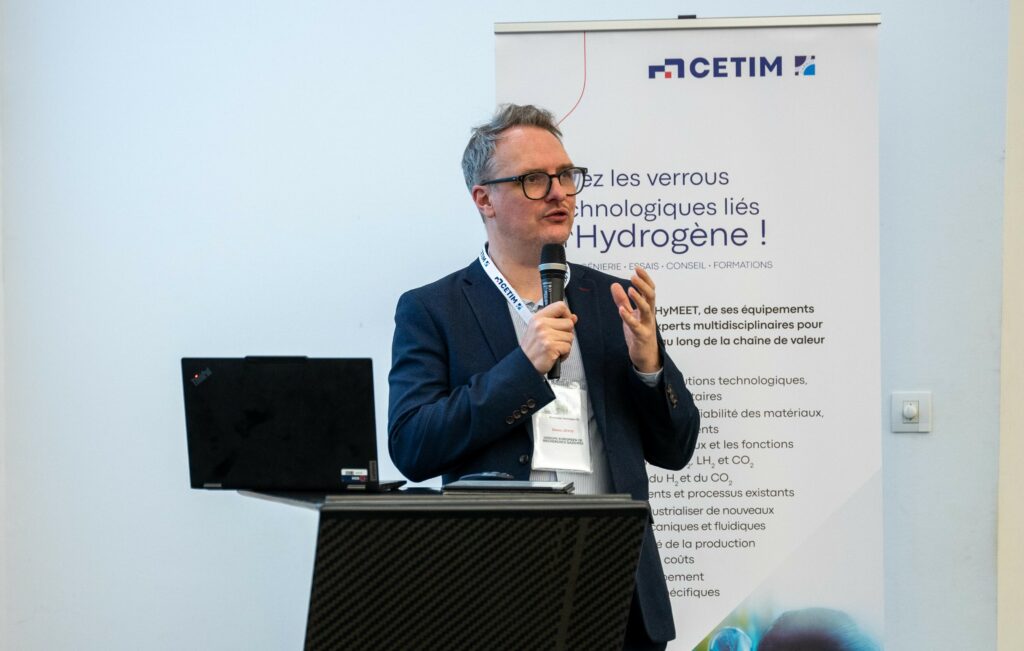
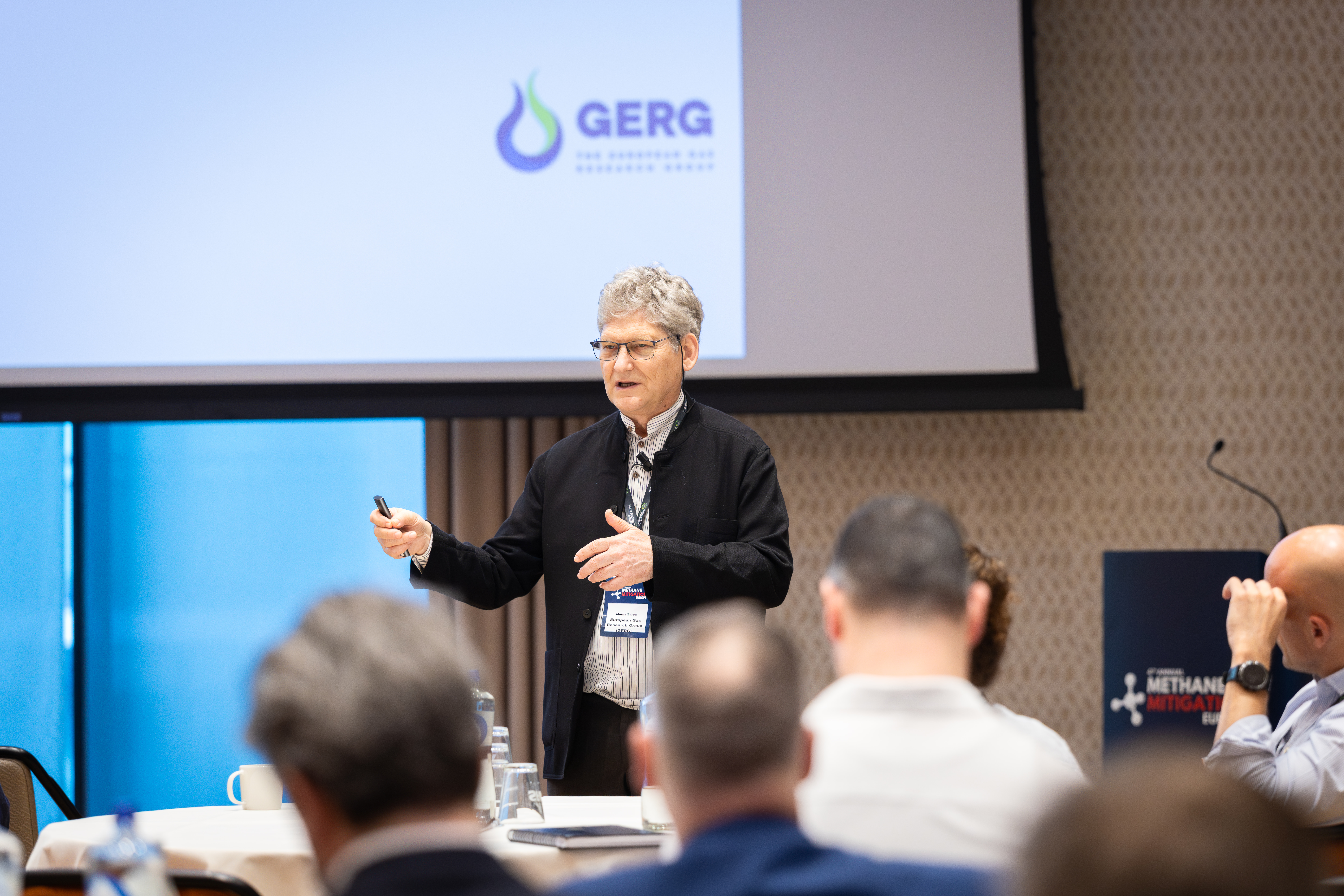
GERG presented its High-Flow Sampling (HFS) project at the 4th Methane Mitigation Europe Summit 2026, held in Amsterdam (The Netherlands). Murès Zarea, co-chair of the GERG Methane Emissions Working Group, outlined the project’s objectives and highlighted its importance for improving methane emissions quantification across Europe’s gas sector.
Launched in December 2025, the HFS project aims to deliver quick, reliable, compliant, and cost‑effective quantification of fugitive methane leak rates. The initiative will support operators in meeting the requirements of the EU Methane Regulation and the Oil & Gas Methane Partnership (OGMP) 2.0 framework by providing a dependable method for reporting emissions and associated uncertainties.
A key ambition of the project is to accelerate the development of a standardised HFS methodology through the European Committee for Standardisation (CEN). The project will also produce technical specification guidance to help companies integrate HFS into their operational practices. In parallel, it seeks to establish HFS as a proven alternative to traditional bagging techniques, offering significant cost savings and supporting the broader introduction of HFS technologies to the market.
To achieve these goals, the consortium will develop a comprehensive test programme and a draft common procedure for the use of HFS systems. The testing campaign will include:
- Laboratory tests
- Controlled experiments using traceable leaks
- Real‑world field measurements
This work will complement testing conducted by the Pipeline Research Council International (PRCI). The resulting data will be analysed to determine uncertainty contributions, performance characteristics, and the influence of various factors—including test gas composition—on the calculation of methane emission rates.
“High‑Flow Sampling is a critical step toward harmonised, regulator‑credible methane quantification in Europe. By validating performance under controlled and real‑world conditions, this project will give operators the confidence and evidence they need to meet the EU Methane Regulation and OGMP 2.0 requirements,”, said Murès Zarea.
The HFS project is funded by GERG members, including Engie, Gassco, Gasunie, NaTran, Storengy, and delivered by the United Kingdom’s National Physical Laboratory, and Bureau Veritas. The consortium is currently seeking additional industry partners.
If you are interested in joining the HFS project, please contact:
mures.zarea@gerg.eu
secretariat@gerg.eu