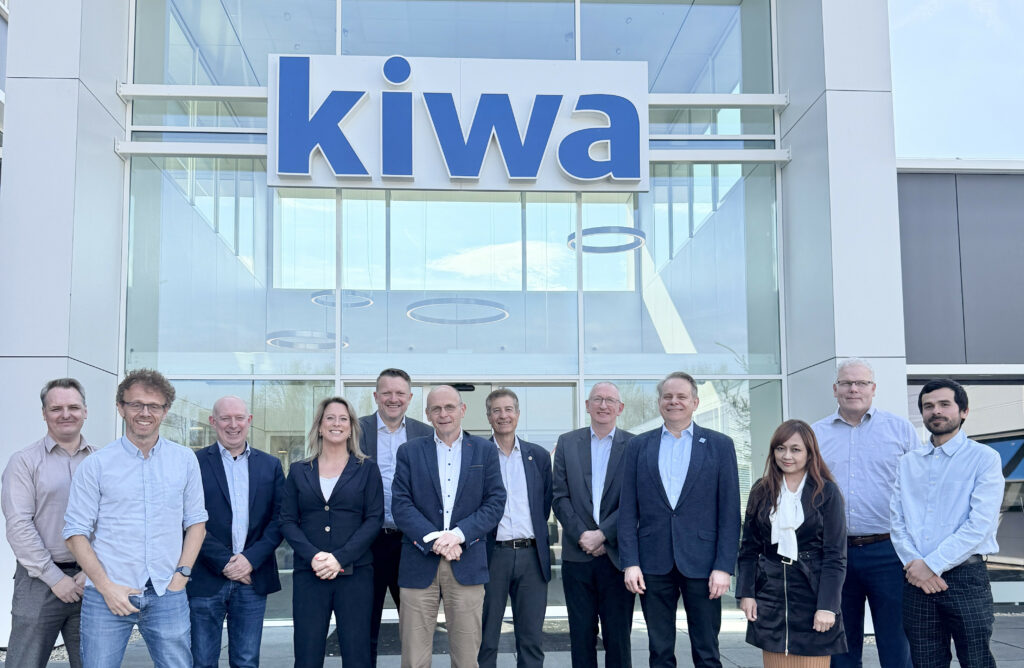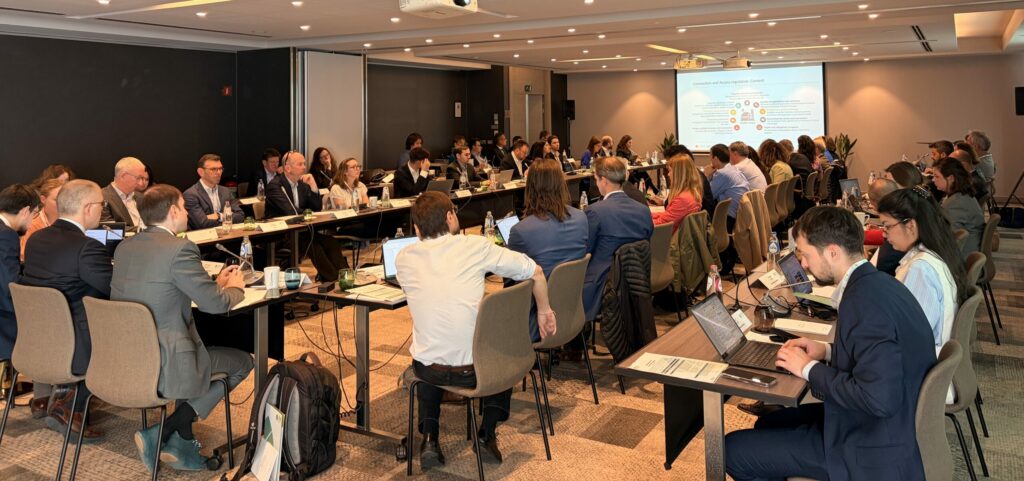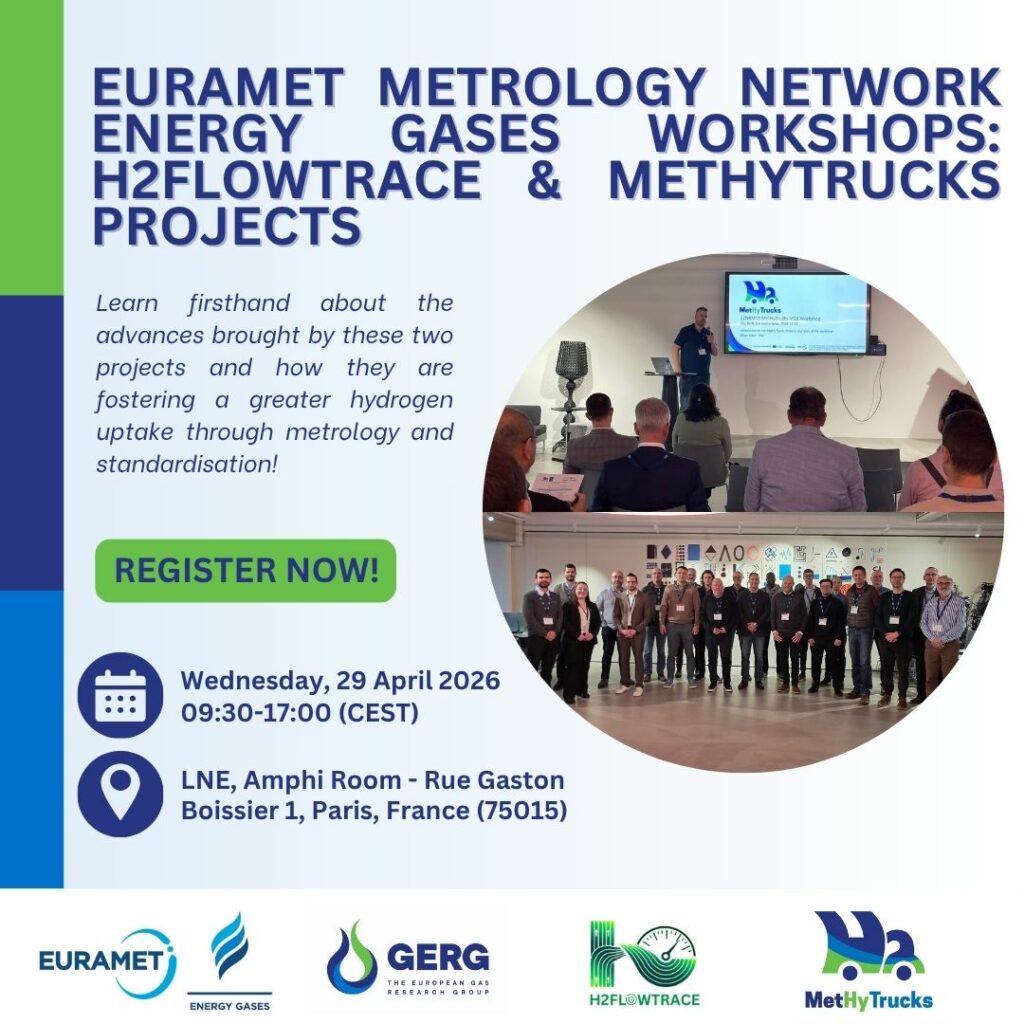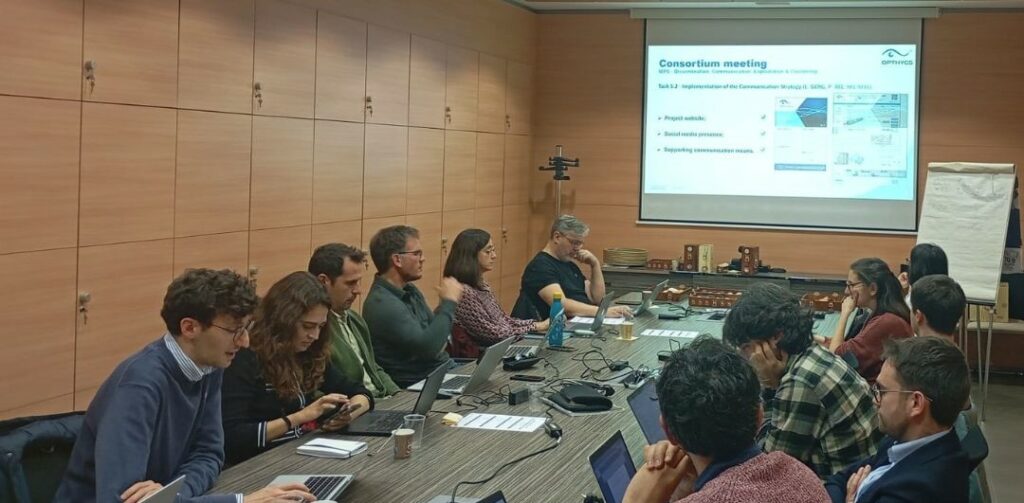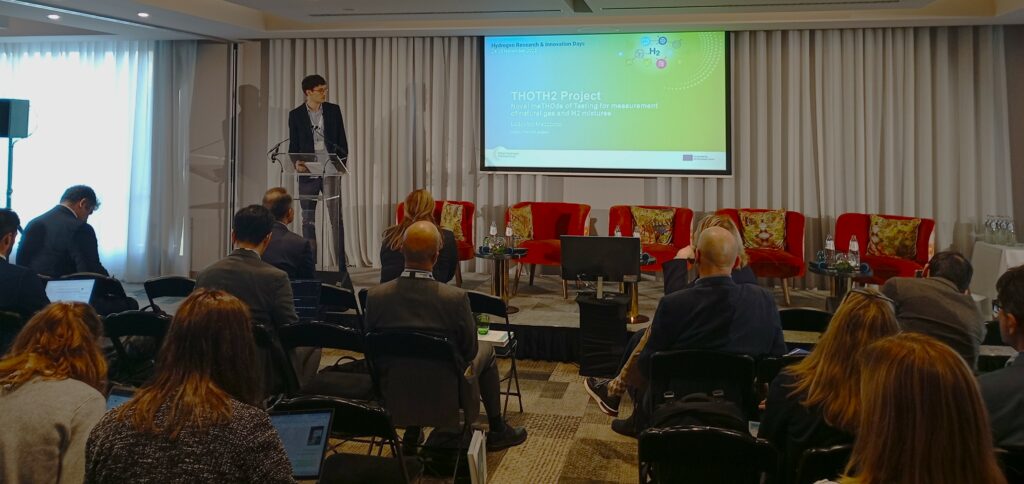
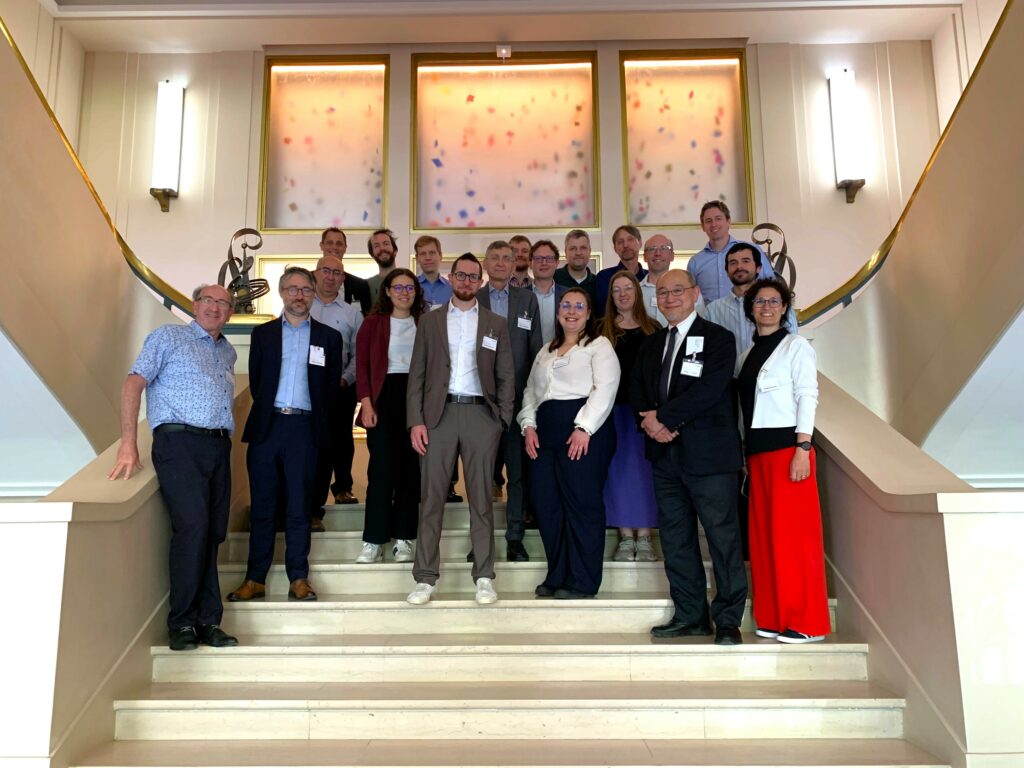
The European Gas Research Group (GERG) co-organised two workshops on Wednesday, April 29, alongside the 8th General Meeting of the European Metrology Network (EMN) for Energy Gases, and the EMN for Energy Gases Stakeholder Council Meeting held at the French National Laboratory of Metrology and Testing in Paris, France. The first workshop provided an update on the H2FlowTrace project at its midpoint, with a special emphasis on GERG’s role in the project’s impact. The second workshop, organised for the MetHyTrucks project, focused on outlining the project's results, which come to an end after 3 years of research. In addition to the projects’ results, GERG presented its hydrogen roadmap, which defines industry needs and future research priorities.
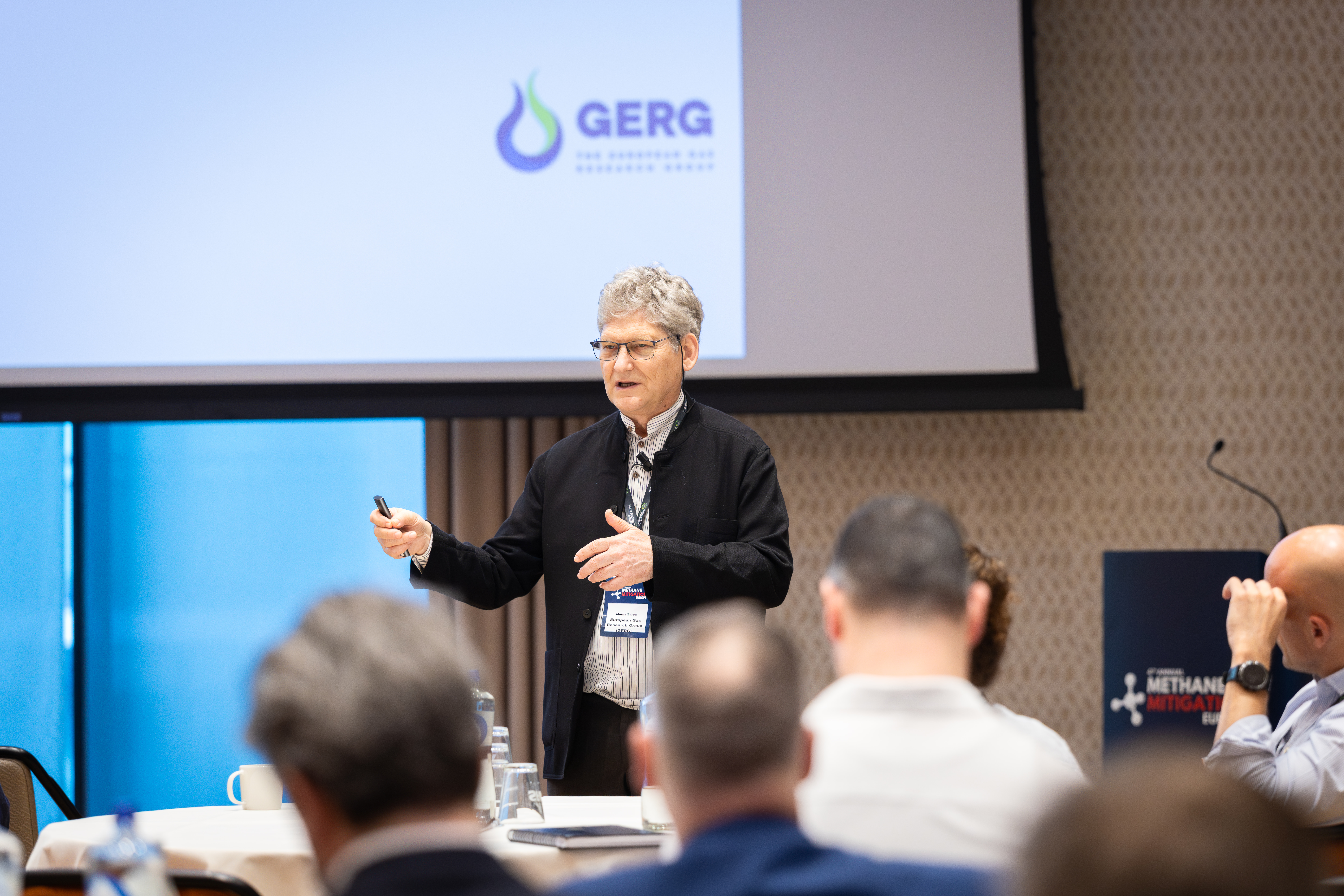
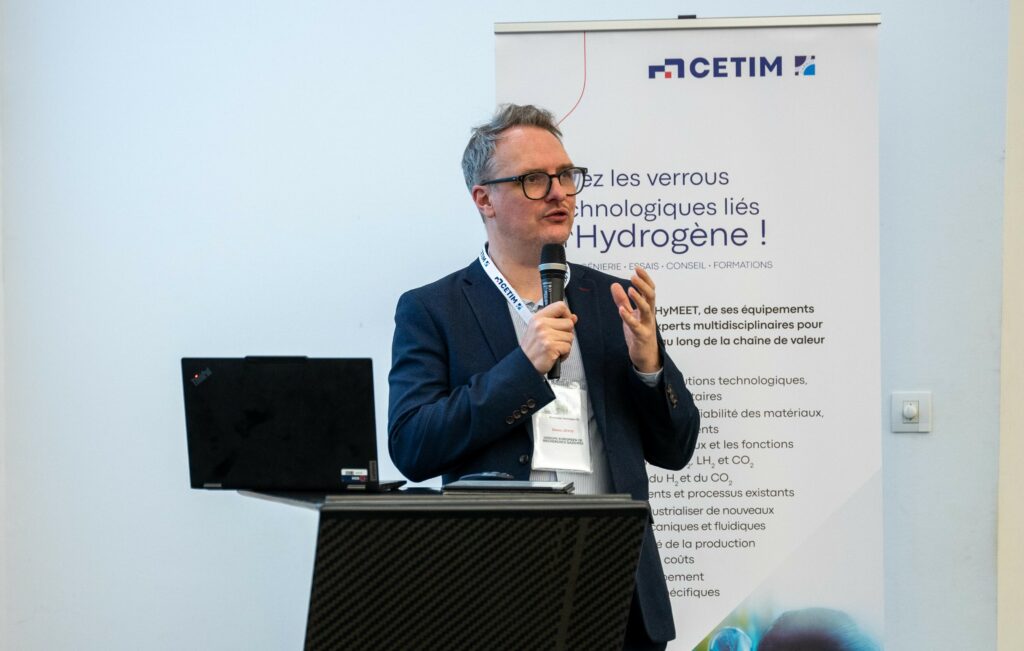
The day kicked off with the “Tracing Hydrogen, Tracing Progress: Mid-Project H2FlowTrace Workshop”, a session focused on H2FlowTrace’s progress and the challenges to be addressed in the second half to improve the traceability of pure hydrogen and hydrogen-natural gas (HENG) blends in gas networks. Miguel Ballesteros, Programme Delivery Manager at GERG, presented GERG’s work on H2FlowTrace, which focuses on creating impact to raise awareness of the project’s activities among relevant stakeholders and establishing contact with standardisation bodies, so they can adopt the results. Currently, GERG serves as the central hub for communicating about this initiative, having established a stakeholder committee with over 30 industry members, liaising with the GERG Hydrogen Working Group, the European Committee for Standardisation, and the EMN for Energy Gases, among others. Additionally, GERG will also play a key role in leveraging the results and guidelines for the calibration of flow meters and traceability for both small and large industries.
This was followed by the “Standardisation and Research outputs from MetHyTrucks”, organised by the MetHyTrucks project, which reviewed the results of a project that supports the adoption of hydrogen for heavy-duty transport and is set to conclude at the end of May. During the guest speaker session, Miguel Ballesteros and Tamara Sarac, Project Officer at GERG, presented the GERG Hydrogen Roadmap, a tool designed to identify research gaps and priorities in the hydrogen sector, in line with industry needs, while enabling collaborative research to remove those gaps. Through the GERG Hydrogen Working Group members, which brings together several of the sector’s key experts, GERG is working on future proposals and projects that will foster the adoption of hydrogen for the energy transition in Europe.
In addition, Tamara Sarac represented GERG on the following day, April 30, at the 3rd meeting of the EMN for Energy Gases Stakeholder Council. At this meeting, members addressed the fundamental challenges to establishing renewable gases, such as hydrogen, biogas, biomethane and CO2 for carbon capture, utilisation and storage as a fuel source. Through their Strategic Research Agenda, the members reviewed the issues to be addressed regarding each of these gases in terms of gas quality, metering, and safe implementation to facilitate a reliable, safe and diverse energy network.
GERG’s contributions once again demonstrate GERG’s leading position in the fields of hydrogen, metrology, and pioneer projects for the green transition. GERG thanks EURAMET and EMN for Energy Gases for providing us with this platform to showcase our progress, as it allows us to connect with top-tier stakeholders working to ensure Europe’s energy transformation.