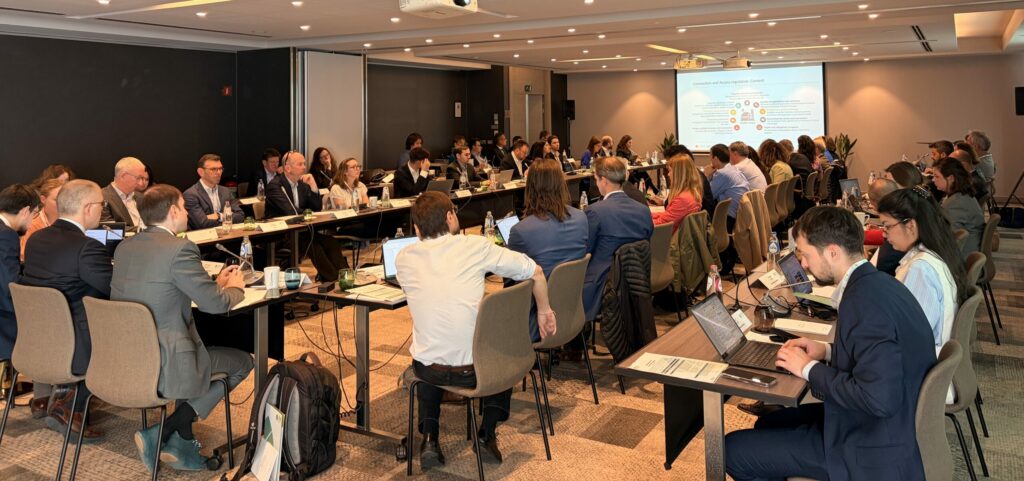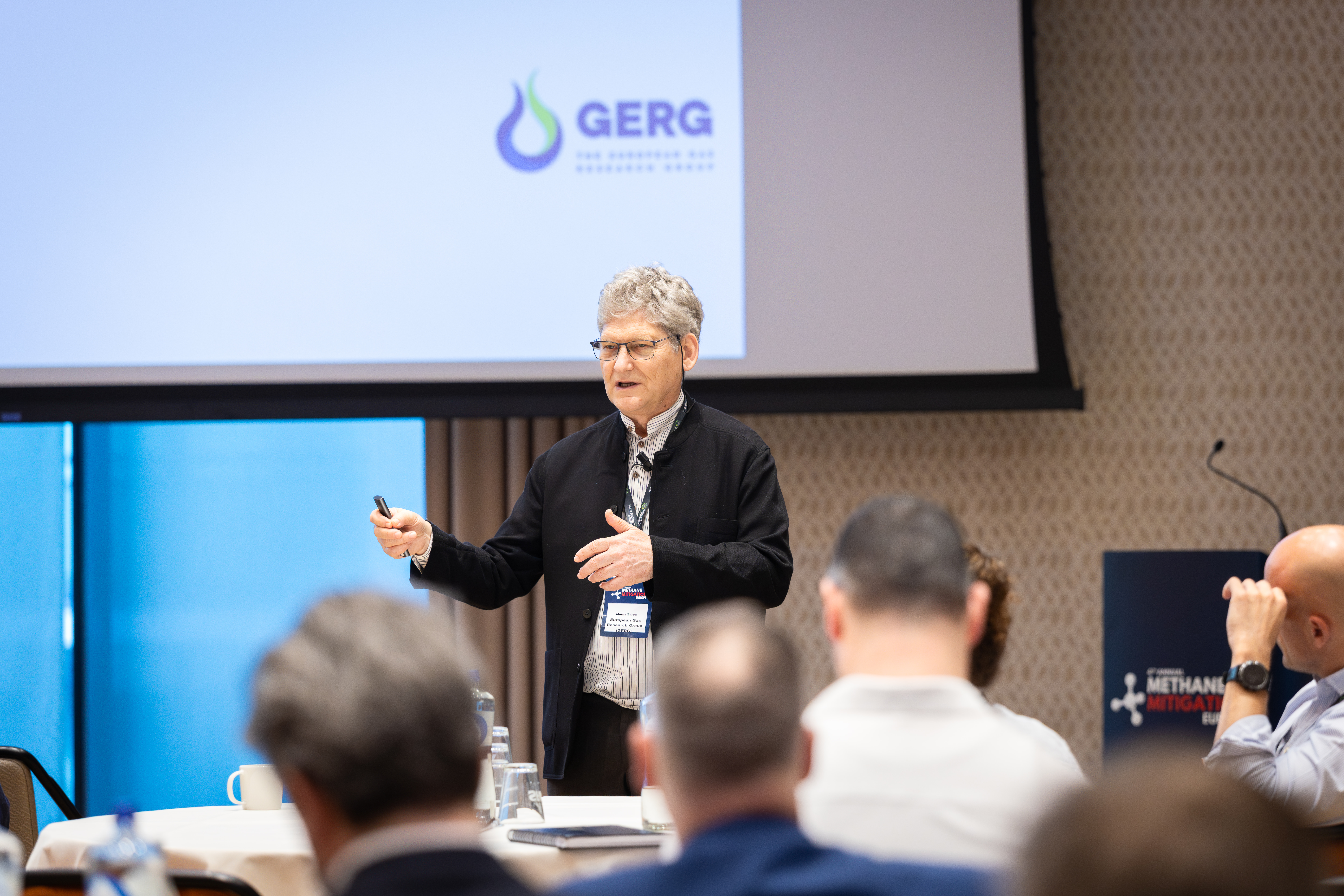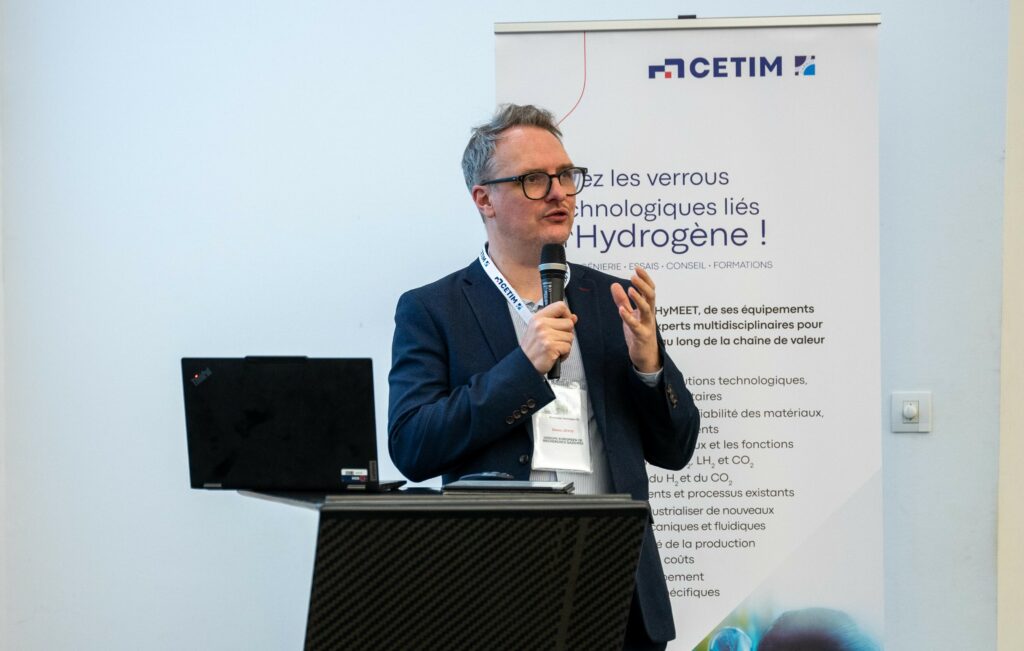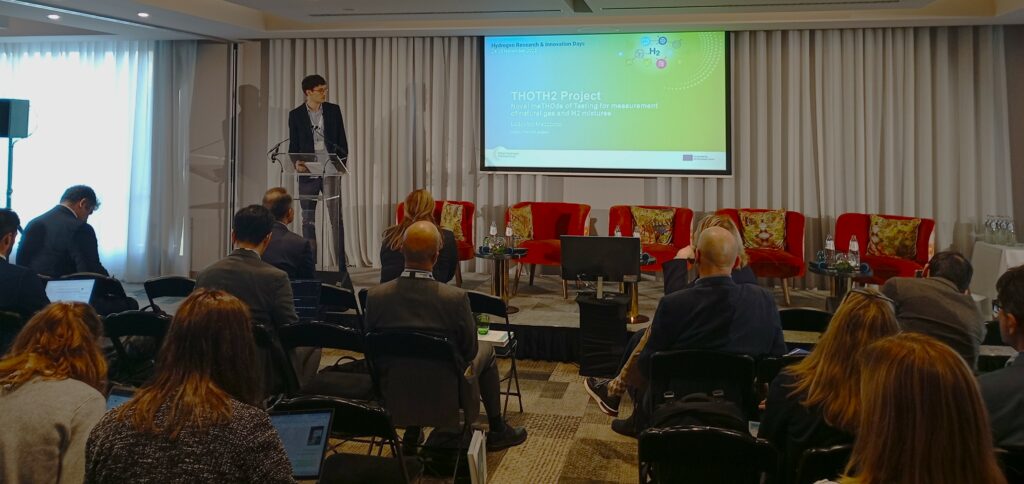
GERG - European Gas Research Group demonstrated its commitment to innovation in the hydrogen sector at the European Fuel Cells and Hydrogen Conference 2026 (EFCH₂ 2026), held in Capri, Italy, from September 15 to 17. GERG took a central role in the conference, showing GERG’s leading position in the sector, and presenting the latest findings from our activities related to hydrogen integration. As part of the programme, GERG organised a dedicated session focused on three critical areas for the development of the hydrogen economy: accurate metrology, hydrogen emissions and the safe integration of hydrogen into existing gas infrastructure.
The session opened with a keynote presentation by Robert Judd, Secretary General of GERG, who highlighted GERG’s pioneering role in the hydrogen sector and its contribution to the decarbonisation of the energy system. With gaseous energy expected to remain an important component of the transition towards net zero, GERG is working to support the development of the technologies, knowledge and standards needed to enable the safe and effective use of hydrogen.
The session also featured Matteo Robino, co-chair of the GERG Hydrogen Working Group, who presented the activities of the group and the GERG Hydrogen Roadmap.
A key focus of the session was the presentation of ongoing GERG projects addressing the technical challenges associated with hydrogen deployment. Their activities cover a wide range of topics, from improving measurement capabilities and developing new approaches to hydrogen monitoring, to understanding emissions and supporting the safe integration of hydrogen into existing infrastructure. We thank all the speakers for the insightful presentations and all participants for contributing to the discussion during the workshop: Miguel Ballesteros (MetNH3Energy and SHIMMER), Ludovico Mazzocco (CANDHy and PilgrHYm), Pawel Kulaga (THOTH2), Alessandro Guzzini (H2FlowTrace), Vittoria Troisi (NHyRA), Rossella Urgnani (Hydra), Peter Rafaj (HYway) and David Blekhman (safety lessons Colton California).
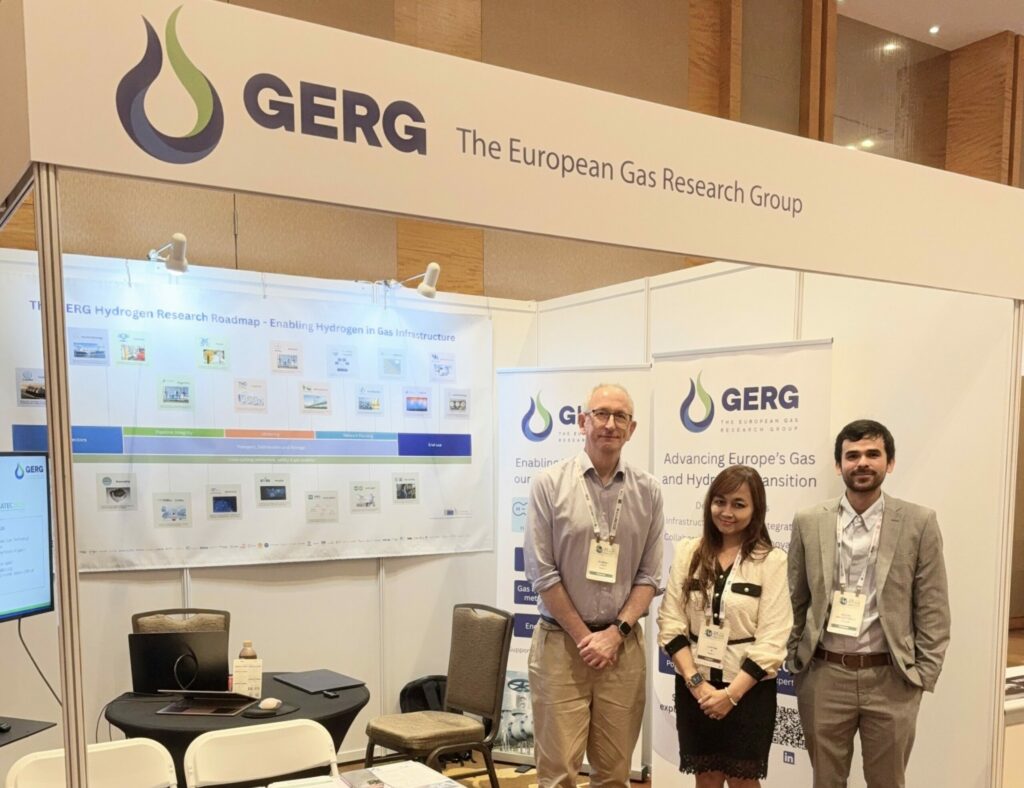
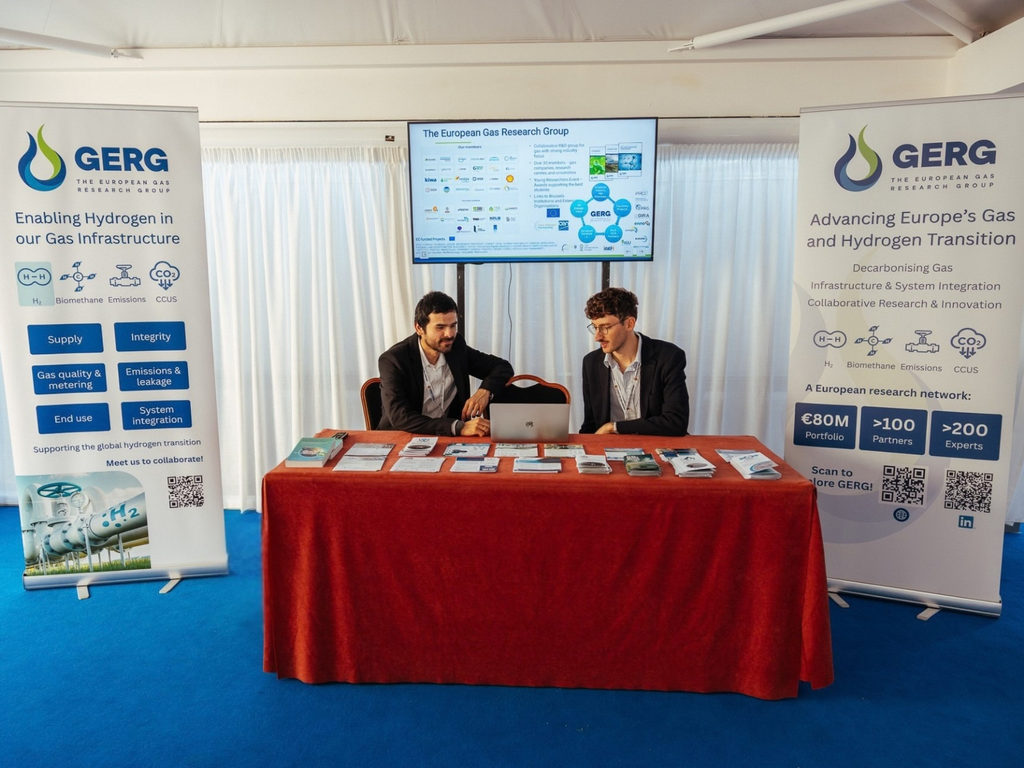
GERG’s participation at EFCH₂ 2026 also provided an opportunity to meet with partners and stakeholders at the GERG booth. We discussed with experts from across the hydrogen sector about technologies, research and collaboration needed to turn hydrogen ambitions into reality.
From measurement and emissions monitoring to infrastructure integration and safety, the work presented at EFCH₂ 2026 reflects the broad scope of GERG’s hydrogen activities and its commitment to supporting innovation across the sector. By bringing together expertise, research and industry perspectives, GERG keeps creating knowledge and technologies needed for the safe and effective integration of hydrogen into Europe’s energy system.